Khakis & Shirts That Work

Nolan O'Connor
| 27-08-2026
 · Lifestyle Team
Hello, everyone. You'd think picking a business casual shirt is simple, but walk into any store and you're staring at fifty shades of blue, three different collar styles, and fabric that wrinkles the second you breathe.
Khakis seem easier, until you stand in front of the mirror holding a salmon shirt and wondering if you look like a brunch invitation. The good news is, both choices come down to a few rules you can actually remember.
The fit comes before the fabric
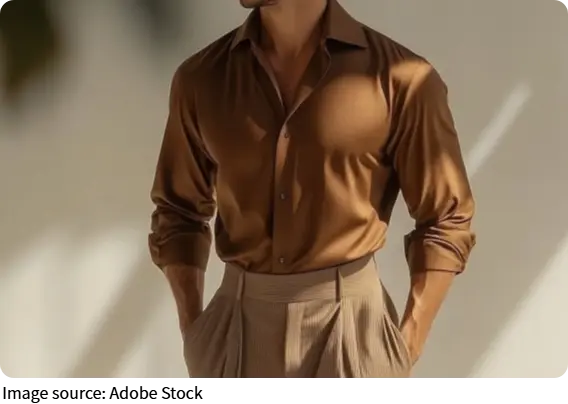
Start with how the shirt fits your shoulders and torso, not the pattern on it. A slim fit that follows your body without pulling at the buttons works for most guys, but the real test is the shoulder seam. It should sit exactly at the edge of your shoulder structure, not drooping down your arm or digging in when you reach forward. For fabric, look for cotton with a bit of stretch, around 2 to 3 percent elastane, or a cotton-linen blend if you run warm. A 100 percent stiff oxford cloth feels classic but it wrinkles fast and can look rumpled by noon. One trick that saves you: button the top button and raise both arms straight out. If the shirt pulls out of your pants or the chest feels tight, size up.
Collar and cuff details matter more than you think
A button-down collar reads casual, so it pairs naturally with khakis. A spread collar, the kind that angles outward, looks sharper and works when you skip the tie but still want a meeting-ready feel. For cuffs, barrel cuffs with simple buttons are the safe everyday choice; French cuffs require cufflinks and feel too dressy for most business casual settings. The color of the collar matters too. A white collar with a patterned body is a classic banker move, but it can look stiff. Instead, try a solid light blue shirt with a medium-spread collar, it's the single most versatile piece you can own. It works with a navy blazer, a gray sweater, or on its own.
Khaki shades set the whole palette
Khaki isn't one color. It ranges from pale sand to a deeper olive-tinted tan, and each shade changes which shirt colors look right. For classic light khaki, the kind that's almost beige, your best partners are navy, white, light blue, and a muted burgundy. These create contrast without clashing. For a darker khaki, closer to stone or taupe, you can go warmer: rust, forest green, or a soft mustard work well. Avoid putting a yellow shirt with a yellow-toned khaki, it looks washed out. And if your khakis have a greenish undertone, skip red and pink shirts entirely; they'll fight each other. A quick test: hold the shirt against the pants in natural light. If your eye jumps to the shirt immediately and you feel uneasy, it's not the match for you.

Three combos that never miss
Let's make this concrete. Combo one: light khakis, a navy blue oxford shirt, and brown leather loafers. That's your dependable Friday look. Combo two: stone-colored khakis, a white poplin shirt with a spread collar, and a charcoal knit tie if you need a bit more polish. Combo three: olive-tinted khakis, a burgundy or rust button-down, and suede chukka boots. Each of these keeps the shirt as the focal point while the khakis ground it. For a specific price reference, a good quality oxford shirt from a brand like Brooks Brothers runs about $95, and a pair of khakis from Dockers or Bonobos lands around $60 to $80. You don't need to spend more than that to get the fit and fabric right.
What to avoid so you don't undo it
Steer clear of shirts with large logos, heavy pinstripes that look like a 90s finance brochure, or anything with a sheen. That shiny polyester look screams fast fashion and cheapens the whole outfit. Also, don't tuck a shirt that's too long and then let it balloon over your waist. A proper dress shirt should have a hem that stays tucked with a slight ruching at the sides. If you're going untucked, the shirt must end mid-zipper, not at your thighs. One more thing: match your belt to your shoes, not to your shirt. A brown belt with brown loafers beats a black belt with brown shoes every single time.
The real takeaway is simple: fit first, then color logic, then details. Get the shoulder seam right, pick a shade of khaki you actually like, and test the shirt against it in daylight. You'll end up with a rotation of three or four shirts that all work with the same pair of pants, and that's the whole game. Next time you're getting dressed, hold two options up and ask yourself which one you'd be comfortable wearing for eight hours. That instinct usually knows better than any trend list.