Soft Sofa Guide

Owen Murphy
| 18-06-2026
 · Lifestyle Team
When we step into a modern minimalist home, the first thing we often notice is the calm atmosphere. Everything feels clean, open, and balanced. In such a space, the sofa becomes more than just seating. It shapes how we relax, talk, and spend time together.
For us, choosing the right sofa is about creating comfort without adding visual noise. We want something that blends naturally into the room while still feeling warm and inviting. That balance is the heart of minimalist living.
Color Choices That Set the Mood
When we think about color, simplicity leads the way. Soft neutral tones often work best, such as light gray, creamy white, sand beige, deep navy, or classic black. These shades quietly support the room instead of competing for attention.
We find that plain tones help the space feel more open and peaceful. Instead of busy patterns, a clean surface lets light move freely across the room. This creates a gentle visual flow that feels easy on the eyes during daily life.
Materials That Feel Natural and Comfortable
The texture of a sofa matters just as much as its look. We often lean toward materials like soft woven fabric, smooth leather-like surfaces, or blended textiles that are easy to maintain.
Each material brings a different feeling. A smooth surface can give a refined touch, while a softer fabric adds warmth and comfort for everyday relaxation. What we always keep in mind is durability and comfort working together, so the sofa stays pleasant over time without losing its shape or feel.
Simple Lines That Shape the Room
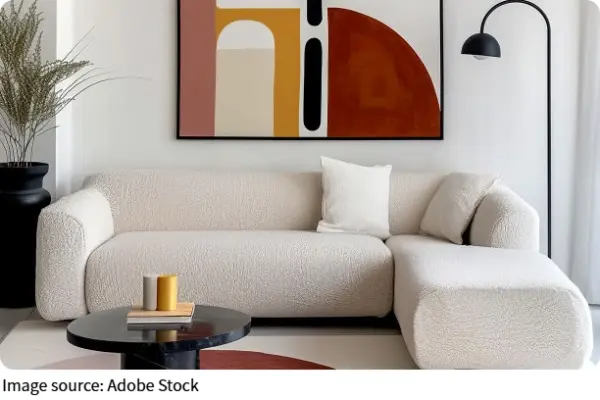
Minimalist design is all about clean structure. We prefer sofas with straight edges or slightly softened curves, avoiding heavy decoration. These simple shapes help the room feel organized and spacious.
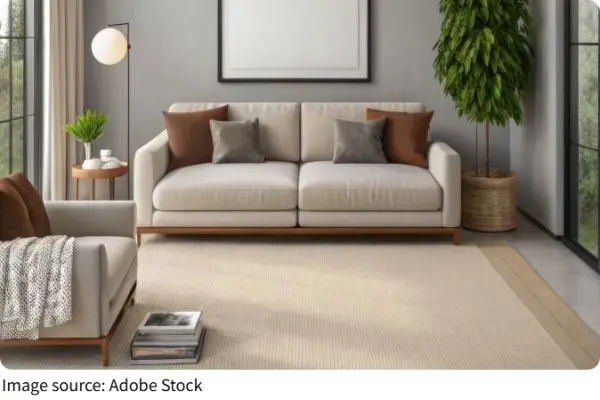
Even the legs of the sofa matter. Slim wooden supports or light metal frames can lift the furniture visually, making the whole room feel more open. This small detail often changes the overall atmosphere more than expected.
Size and Layout That Fit Everyday Life
One of the most practical steps is choosing the right size. We always measure the living area first before making any decision. A sofa that is too large can overwhelm the space, while one that is too small may feel disconnected.
We also think about daily habits. Do we need extra seating for guests? Do we use a coffee table in the center? Depending on these answers, we might choose an L-shaped design, a straight-line layout, or a single-seat combination. Each option changes how we move and interact in the room.
Comfort and Function Working Together
Beyond appearance, comfort is something we never overlook. A good sofa should support the body well, whether we are sitting for a short break or relaxing for a longer time.
We also appreciate added functions that make life easier, such as hidden storage or adjustable back support. These features keep the design clean while quietly improving everyday use. It is this combination of simplicity and practicality that defines modern living.
A Final Thought: Building a Space That Feels Like Us
In the end, choosing a sofa is not only about furniture. It is about shaping how we live in our space. A well-chosen piece helps us slow down, enjoy conversations, and feel at ease at home.
We also notice that thoughtful craftsmanship from dedicated furniture makers can make a big difference in quality and comfort. When design, material, and function come together, the living room naturally becomes a place we enjoy returning to every day.
So, Lykkers, when you think about your own home, what kind of sofa would truly match your lifestyle and mood?