Why Cold Food Tastes Flat

Nolan O'Connor
| 18-05-2026
 · Science Team
Last night's pizza, straight from the fridge. Something's missing.
The cheese is the same, the toppings are all there, but the whole thing tastes somehow muted, almost bland compared to how it tasted hot. This is not imagination. It's biology.
The Evolutionary Reason We Love Hot Food
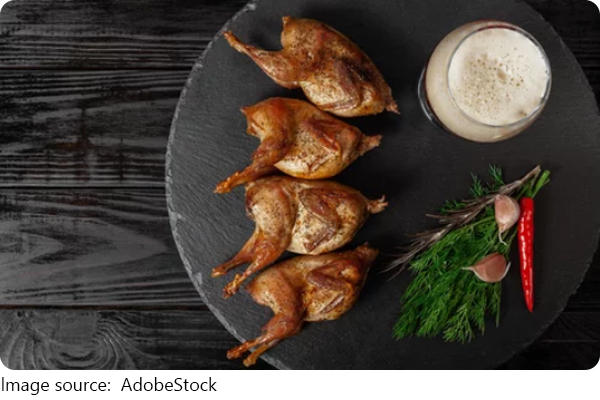
Around two million years ago, early humans discovered fire — and everything changed. Cooking food made it easier to digest, unlocked more calories and nutrients, helped ward off illness, and freed up time and brain energy that had previously gone toward the slow, laborious process of eating raw food. Over millions of years, the human body adapted to cooked, warm food as the norm. Our stomachs became less capable of digesting raw meat, and our taste perception gradually tuned itself to register flavors most strongly at warmer temperatures. Cold food isn't wrong — it's just not what our biology was designed around.
What Temperature Does to Food Molecules
The basic physics of flavor starts at the molecular level. When food is warm, its molecules move faster and become more volatile — meaning they evaporate from the surface of the food and travel toward the nose as aroma compounds. Smell is responsible for a huge portion of what we experience as taste, so when aromatic molecules are actively floating off a dish, the whole flavor experience is significantly more intense. Cold food slows everything down. The molecules become sluggish, less volatile, fewer aromas escape — and the flavor lands as noticeably flatter and weaker, even though nothing about the actual ingredients has changed.
What the Taste Buds Are Actually Doing
The tongue itself responds differently to different temperatures. Inside the taste buds are tiny channels that send electrical signals to the brain whenever something touches them. Research has shown these channels function at a higher level when temperatures are warmer. This means that sweet, sour, umami, and astringent flavors all register more intensely when food is warm. The notable exception is bitterness — cold seems to amplify bitter flavors, which is part of why coffee tastes more noticeably bitter when it cools. The bitterness that hot coffee masks becomes much more pronounced as the drink drops in temperature.
Why Some Foods Are Actually Better Cold
Not everything follows the "hotter is better" rule. Cold temperatures suppress sweetness — which is actually useful. Ice cream would be overwhelmingly, almost offensively sweet at room temperature. The cold mutes that sweetness to a level the palate can enjoy. Similarly, people prefer their sodas cold in part because the temperature suppresses certain astringent notes in carbonated drinks, making them smoother and more refreshing. Salt receptors, meanwhile, appear to be more active at lower temperatures, which is why some foods taste noticeably saltier cold.
The Tongue Temperature Factor
Here's an angle most people overlook: it's not just the temperature of the food that matters, but the temperature of the tongue itself. Drinking something ice cold before a meal — or pairing icy beverages with food — can actually dampen sweet, bitter, and umami flavors by cooling the surface of the tongue and reducing taste receptor activity. Room-temperature or slightly warm drinks alongside a meal allow the taste buds to function at their peak, amplifying the whole flavor experience. The next time a meal seems oddly dull, it might be worth considering what's been in the glass.