Senior Fitness Benefits

Ravish Kumar
| 13-04-2026
 · Sport Team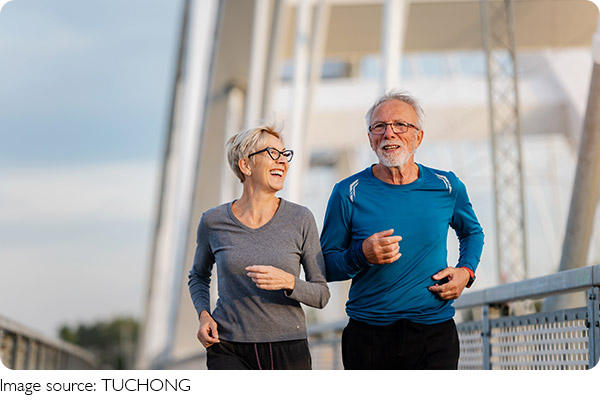
The morning sun casts a golden glow over the park, where a group of seniors moves with rhythmic grace.
Their laughter mixes with the chirping of birds, creating a scene of vitality that defies stereotypes about aging. For decades, society viewed old age as a period of inevitable decline.
However, modern science reveals a different truth: physical activity is a powerful medicine that can reverse many effects of aging. Exercise is not just for the young; it is essential for maintaining independence, health, and happiness in later life. By embracing movement, older individuals can unlock a vibrant chapter filled with energy and purpose.
Strengthening Skeletal and Muscle Health
As people age, muscle mass and skeletal density naturally decrease, leading to frailty and increased risk of fractures. Resistance training and weight-bearing exercises counteract this process by stimulating skeletal growth and muscle repair. Stronger muscles support joints, reducing pain from conditions like arthritis. Improved balance and coordination prevent falls, which are a major cause of injury among seniors. Simple activities like walking, swimming, or using resistance bands can make a significant difference. These exercises help maintain functional strength, allowing individuals to perform daily tasks such as climbing stairs or carrying groceries with ease.
1. Weight-bearing activities stimulate skeletal density to prevent osteoporosis.
2. Resistance training builds muscle mass to support joints and improve stability.
3. Balance exercises reduce the risk of falls and enhance overall coordination.
Boosting Heart and Brain Health
Cardiovascular exercise strengthens the heart, improving circulation and lowering blood pressure. This reduces the risk of heart disease and cerebral issues, two leading health concerns for older populations. Beyond physical benefits, aerobic activity has profound effects on brain health. It increases blood flow to the brain, promoting the growth of new neural connections. Studies show that regular exercise can delay cognitive decline and reduce the risk of dementia. It also releases endorphins, natural chemicals that elevate mood and combat depression. A healthy body supports a sharp mind, enabling seniors to stay engaged and mentally agile.
1. Aerobic exercise improves cardiovascular efficiency and lowers blood pressure.
2. Increased blood flow to the brain supports cognitive function and memory.
3. Physical activity releases endorphins that enhance mood and mental well-being.
Fostering Social Connection
Exercise often provides opportunities for social interaction, which is crucial for emotional health. Group classes, walking clubs, or team sports create communities where seniors can connect with peers. These social bonds combat loneliness and isolation, common issues that negatively impact health. Sharing goals and achievements with others fosters a sense of belonging and motivation. The encouragement from friends makes sticking to a routine easier and more enjoyable. This social dimension transforms exercise from a chore into a cherished ritual, enriching lives with friendship and shared experiences.
1. Group activities provide structured opportunities for social engagement and support.
2. Shared fitness goals build camaraderie and reduce feelings of isolation.
3. Regular interaction with peers enhances emotional resilience and life satisfaction.

Embracing physical activity in later years is an act of self-respect and hope. It challenges the notion that aging means slowing down, proving instead that vitality is a choice. Each step taken is a declaration of independence and a celebration of life. The benefits extend far beyond physical health, touching every aspect of well-being. By staying active, seniors not only add years to their life but also life to their years. This journey of movement invites us to redefine aging, seeing it not as an end, but as a continuation of growth, connection, and joy.