Male Model Standards
Owen Murphy
| 13-02-2026
 · Fashion Team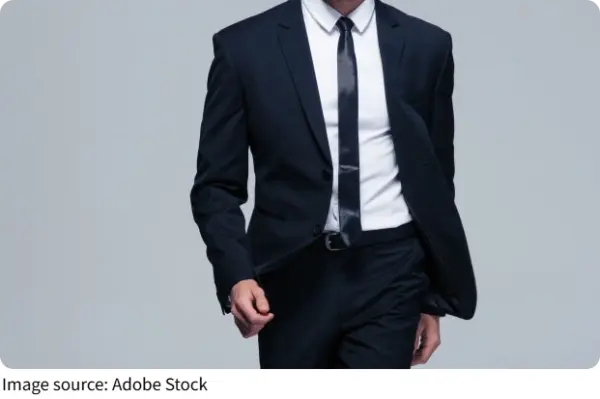
The first thing people notice on a runway or in a photoshoot is often the model's presence—confidence, posture, and overall appearance.
But behind that effortless look is a set of physical and professional standards that male models are expected to meet.
Understanding these can help aspiring models know what agencies and brands look for.
Height and Proportions
Height remains one of the most critical factors in male modeling. Most fashion agencies have clear ranges.
Runway focus: For high-fashion or designer runway shows, male models usually need to be between 5'11” and 6'3”. Taller models create a striking visual impact, making clothes hang and move elegantly.
Commercial modeling: For print ads or lifestyle shoots, the height requirement is less strict, often around 5'9” to 6'2”. Proportions matter more than exact numbers, with balanced shoulders, chest, and leg length being crucial.
Measurement ratios: Agencies often prefer a chest size of 38–42 inches, waist 30–32 inches, and hips proportionate to the torso. These numbers create symmetry that photographs well.
Actionable example: Aspiring models can take professional photos and have a tailor record measurements to ensure they meet agency standards before submitting portfolios.
Body Composition
A toned and lean physique is a must, but extreme bulkiness isn't always ideal. Agencies look for defined muscles without excessive size.
Fitness routine: Models often combine strength training with cardio. Core exercises, pull-ups, and push-ups maintain upper body definition, while running or swimming keeps overall leanness.
Body mass management: Most male models maintain a lean, athletic frame. This allows visible muscle definition while keeping a natural and agile look.
Nutrition: Balanced meals with high-quality protein, complex carbs, and healthy oils support energy and physique. Hydration and limited processed food intake also contribute to skin and muscle health.
Tip: Track body composition monthly rather than weight alone. Muscle mass and overall conditioning are better indicators for modeling readiness.
Head Features and Grooming
Face and hair are critical, as they define versatility for different campaigns.
Symmetry and structure: Agencies prefer clear jawlines, balanced cheekbones, and expressive eyes. Minor imperfections can be embraced if they add character or uniqueness.
Skin care: Healthy, clear skin is essential. Daily cleansing, moisturizing, and sun protection prevent issues that could be noticeable on camera.
Hair and beard styles: Clean-cut styles or the ability to adapt hair for different looks is highly valued. Some shoots require beards, others a smooth shave—flexibility is key.
Example: Using non-comedogenic moisturizers and regular trims keeps skin and hair photo-ready. Carrying a grooming kit during shoots helps quickly fix stray hairs or shine.
Posture and Presence
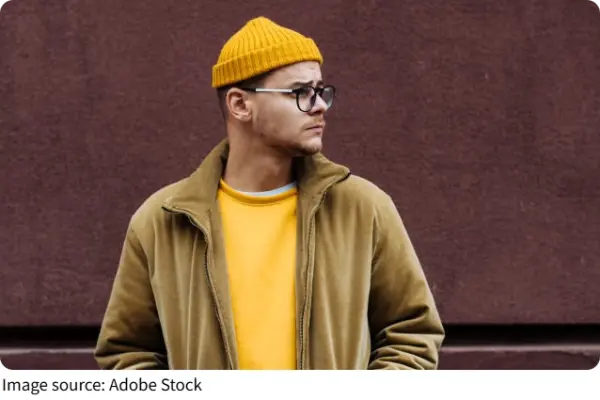
A male model's body language communicates confidence and style, sometimes more than clothing itself.
Runway walk: A firm, controlled stride with shoulders back and eyes forward creates presence. Practicing with mirrors or recording walks can improve technique.
Photo posing: Subtle adjustments—like shifting weight, turning the torso, or angling the face—enhance photographs. Understanding angles and lighting is crucial.
Confidence: Agencies often say attitude completes the package. Confidence in front of cameras and audiences can elevate a model above someone who meets physical standards but lacks stage presence.
Practical tip: Regularly practice walking in different shoes and poses, and review recordings to identify improvements.
Professionalism and Versatility
Beyond looks, reliability and adaptability matter. Brands need models who can take direction, work long hours, and adapt to different styles.
Portfolio diversity: A variety of looks, from casual to high-fashion, increases opportunities. Include headshots, full-body shots, and lifestyle images.
Punctuality and attitude: Being on time and maintaining a positive, professional demeanor builds reputation and repeat bookings.
Continued development: Models often refine skills with workshops, acting classes, or posing sessions to remain competitive.
Actionable example: Create a portfolio with at least 10 diverse looks and practice professional etiquette on every set to leave a strong impression.
Success as a male model isn't just about being tall or fit—it's a combination of physique, grooming, confidence, and professional behavior. By focusing on these areas and maintaining consistency, aspiring models can position themselves to meet the demanding standards of the fashion industry and stand out in a competitive field.