Spring Blooms in a Bouquet

Mason O'Donnell
| 03-02-2026
 · Plant Team
Walking into a room filled with a colorful spring bouquet feels like stepping into a sunlit garden. The mix of bright petals, fresh greenery, and delicate textures instantly brings energy and warmth.
Crafting a bouquet that captures this seasonal magic doesn't require professional skills—just a little guidance on selection, balance, and care.
Selecting Seasonal Flowers
Choosing flowers that are in season ensures longevity, vibrant colors, and affordability. Spring offers a wide variety of blooms with lively hues and soft fragrances.
Tips for success:
1. Mix tulips, daffodils, and ranunculus for cheerful, eye-catching shapes.
2. Include soft blooms like hyacinths or anemones to add texture and fragrance.
3. Add greenery such as ferns, eucalyptus, or ivy to create a lush backdrop.
Actionable example: Pair bright yellow daffodils with soft pink ranunculus and sprigs of green eucalyptus in a medium-sized vase for a balanced spring display.
Choosing Colors and Combinations
Color plays a central role in spring bouquets. Combining complementary tones creates harmony, while contrasting colors can make a bold statement.
Tips for success:
1. Stick to a color palette of three to four tones to avoid visual overload.
2. Use light pastels like lavender, peach, and pale yellow for a soft, romantic look.
3. Add one or two vibrant blooms, like hot pink tulips or bright orange ranunculus, to draw the eye.
Actionable example: Arrange pale blue hyacinths with soft pink anemones, adding a single bright orange tulip to create an unexpected pop of color.
Layering and Structure
How flowers are arranged affects the overall aesthetic. Layering blooms by size and height creates dimension and movement.
Tips for success:
1. Place taller flowers like tulips or snapdragons in the center or back of the bouquet.
2. Surround them with medium-height blooms such as ranunculus or anemones.
3. Fill in gaps with greenery or small filler flowers like waxflower or baby's breath.
Actionable example: Start with three tall tulips in the center, add five ranunculus around them, then tuck eucalyptus leaves around the edges for fullness and flow.
Vase Selection and Water Care
A bouquet is only as stunning as its container. The right vase enhances the flowers and provides proper support.
Tips for success:
1. Use a clear glass vase for a clean, modern look or a ceramic vessel for a rustic touch.
2. Ensure the vase is proportional to the bouquet—too tall or too small can destabilize the arrangement.
3. Change water every two days and trim stems at an angle to prolong freshness.
Actionable example: Fill a 10-inch glass cylinder with fresh water and place your spring bouquet inside. Trim stems every other day and remove any leaves that fall below the water line to prevent bacteria buildup.
Adding Personal Touches
Personal touches can elevate a bouquet from pretty to memorable. Small additions reflect personality and style.
Tips for success:
1. Tie the bouquet with a ribbon or twine that complements your room's décor.
2. Add fragrant herbs like mint or rosemary to enhance aroma and texture.
3. Include a small decorative element like a painted stone or a crystal in the vase for extra charm.
Actionable example: Wrap your bouquet in a soft pastel ribbon and tuck a few sprigs of lavender among the flowers. Not only does this add fragrance, it also creates a cohesive, spring-inspired theme.
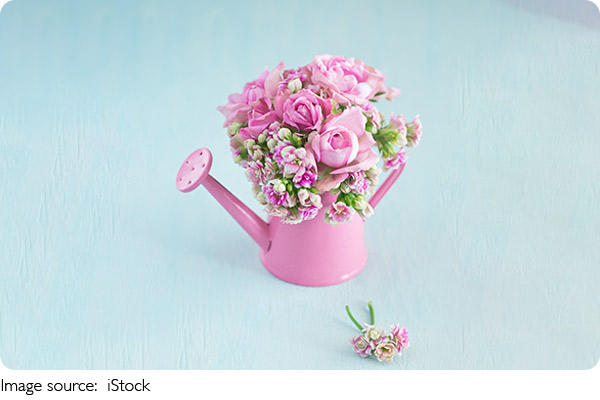
Creating a colorful spring bouquet is a simple yet transformative way to bring seasonal energy into your home. With attention to flower choice, color balance, and thoughtful layering, anyone can assemble an arrangement that delights the senses. A well-crafted bouquet not only brightens a space but also uplifts the mood, making it a rewarding and personal form of floral artistry.